_edited.png)
Your First Chiropractic Visit: What to Expect

Updated: Jan 20
“You Should Go See a Chiropractor!” — Sound Familiar?

"You should go and see a chiropractor."
"I see someone for my back; you should look into it."
"My son’s a chiropractor; here’s his card."
That last one? It’s usually a message I get from my mum, proudly passing my details to someone who’s just been given a full Irish Mammy lecture about her amazing boy. She’s a very big supporter.
So, after you've been told by friends, family, or even your GP that you need to see someone, your mind can start to race. If you're still deciding which type of practitioner is right for you, here’s how I explain the difference between chiropractors, osteopaths, and physiotherapists.
“What actually happens at a chiropractor?”
“Is it going to hurt?”
“Will they try to ‘crack’ my back straight away?”
If any of those thoughts sound familiar, you’re not alone. I’ve met plenty of people feeling unsure before their first chiropractic visit. This blog will walk you through exactly what to expect, from the moment you arrive to what we look for and what happens next. My goal is to help you feel informed, reassured, and in control.
What to Expect When You Arrive for Your First Chiropractic Visit
Your first visit starts before the treatment room, at the front desk. When you walk in through the main door, you’ll find yourself in a long corridor. The reception is the first door on the right, and that’s where your visit begins.

You’ll be greeted by one of our friendly reception team members who’ll help you get settled. You’ll be given a bit of paperwork to fill in, including a short consent form.
We completely understand if you’re feeling unsure at this stage. Many people walk in not really knowing what to expect, and that’s absolutely okay. You won’t be rushed, and if you have any questions or want to talk something through, you’ll have the time and space to do so.
Once everything’s filled in and you’re ready, I’ll come to greet you personally and take you through to the treatment room so we can begin.
The Consultation: Getting to Know You

Once we’re in the treatment room, I’ll invite you to take a seat or find whatever position feels most comfortable for you. (I once completed an entire consultation with someone lying on their back on the bench, so believe me, nothing phases me anymore!)
This part of your visit is all about conversation. It’s your chance to tell your story: what brought you in, how long it’s been going on, what makes it better or worse, and how it’s affecting your day-to-day life.
But it’s not just about the pain. I want to understand you, your work, your lifestyle, your goals, and any concerns you might have. It’s not unusual for someone to say, “I thought this would just go away,” or, “It’s not bad enough to get checked out.” If that sounds familiar, you’re not alone.
The consultation is a space for you to be heard without judgment. It also helps me build a clearer picture of what’s happening, not just at the site of your symptoms, but across your whole body. Every bit of detail helps guide us toward a more accurate diagnosis and personalised plan.
The Physical Exam: Looking Beyond the Pain
After we’ve talked, we’ll begin the physical assessment. This part is tailored to you, based on what you’ve told me and what you’re comfortable with.
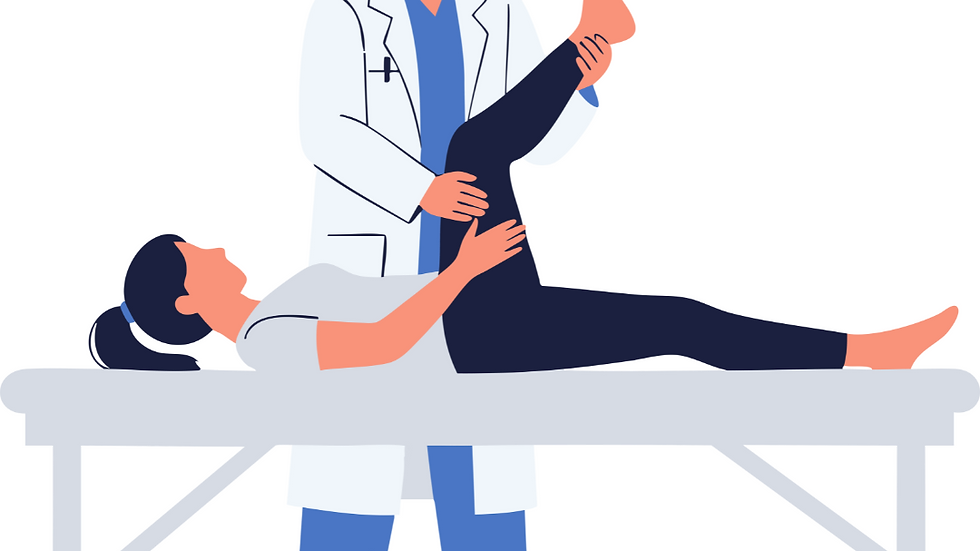
We’ll look at things like posture, movement, strength, and how your joints and muscles are functioning. It’s not just about where you’re feeling pain; it’s about understanding how your body is moving as a whole. Sometimes the root of the issue is in a different area entirely.
You might be asked to stand, walk, bend, or move in certain ways. I’ll also gently feel how your joints are moving with my hands; this helps identify any areas of restriction, tension, or imbalance.
And don’t worry, if anything feels uncomfortable or you’d prefer not to do something, just let me know.
First Treatment: Only If Appropriate — What to Expect
Not every first visit includes treatment, and that’s completely normal. Whether we move on to treatment that day depends on what we’ve found in your consultation and exam, and whether it’s clinically appropriate to begin.
In some cases, we may need to refer you for imaging (like an X-ray or MRI) before starting treatment. This helps ensure that we’re making the safest and most informed decisions for your care.
If treatment does go ahead, we’ll always talk through the plan first. I’ll explain what I’m recommending and why, and make sure you’re comfortable with everything. You’ll have the chance to ask questions or pause at any point; nothing is done without your full consent and understanding.
Treatment might include chiropractic adjustments, soft tissue work, or specific mobility and rehab exercises. If you're curious about what the click or pop during an adjustment actually is, I explain it in detail here. The first session also gives us a chance to see how your body responds. There are generally three possibilities:
You might feel better.
You might feel no different at first.
Or you might feel a little sore or achy (especially if we’ve worked on tight or restricted areas).
All of those responses are completely normal, and they help me fine-tune your care. I’ll always adjust the approach based on how you’re feeling and how your body is responding.
This first session is about starting to work toward your goals, not rushing to “fix” something in one go. We take things at your pace.
After Your Visit: What Happens Next
Once your appointment is finished, we’ll talk through what comes next. If we’ve done treatment, I’ll check in with you briefly about how you’re feeling. But I don’t expect everything to change in one session; that’s not how the body works.
I’ll usually recommend booking a second visit. This allows us to see how your body has responded to care, and from there, I’ll walk you through a personalised treatment plan. This plan includes how often I’d like to see you initially, what kind of care I’ll be providing, and when we’ll review your progress.
Some people want quick relief and the option to check in occasionally. Others are looking for longer-term changes to how they move and feel. We’ll shape the plan together based on your goals, your lifestyle, and how your body responds.
And remember, this is always a conversation, not a contract. You’re welcome to ask questions, make changes, or take time to think about what’s best for you.
Final Thoughts: You're in the Right Place to Start
Coming in for your first visit can feel like a big step, and it is. But it’s also a step toward understanding what’s really going on with your body and finding the right kind of support to help you move forward.
Whether you’re looking for pain relief, better movement, or simply some clarity about what’s happening, I’m here to help. You won’t be rushed, pushed, or pressured into anything you’re not comfortable with.
This blog is just the beginning of the conversation. If you're ready to take that next step, I’d love to meet you.
📅 Click here to book your first visit, or explore what it’s like to walk through the door for the first time.
Understanding Chiropractic Care: A Deeper Dive
Chiropractic care is more than just a series of adjustments. It’s about understanding your body and how it functions. Many people come to see me with back pain or neck pain, but often, the underlying issues are more complex.
The Importance of Posture
One of the most common issues I see is poor posture, especially among those of us who spend long hours at desks. Slouching can lead to a host of problems, including chronic pain and fatigue. By addressing your posture, we can help alleviate these issues and improve your overall well-being.
Stress and Its Impact on Health
Stress is another significant factor that affects our health. It can manifest physically, leading to tension in the muscles and joints. Learning to manage stress through relaxation techniques and proper body mechanics can make a world of difference.
Self-Care Strategies
In addition to chiropractic adjustments, I often recommend self-care strategies. Simple exercises, stretches, and mindfulness practices can enhance your treatment and help you maintain your progress. It’s about empowering you to take control of your health.
Building a Partnership
Chiropractic care is a partnership between you and me. I’m here to guide you, but your active participation is crucial. Together, we can create a plan that fits your lifestyle and addresses your unique needs.
The Journey to Better Health
Embarking on this journey may seem daunting, but remember, every step you take is a step toward better health. Whether it’s your first visit or you’re returning for follow-up care, I’m here to support you every step of the way.
So, if you’re ready to explore the benefits of chiropractic care, don’t hesitate to reach out. Together, we can work towards a healthier, happier you.


Comments